Hello everyone –
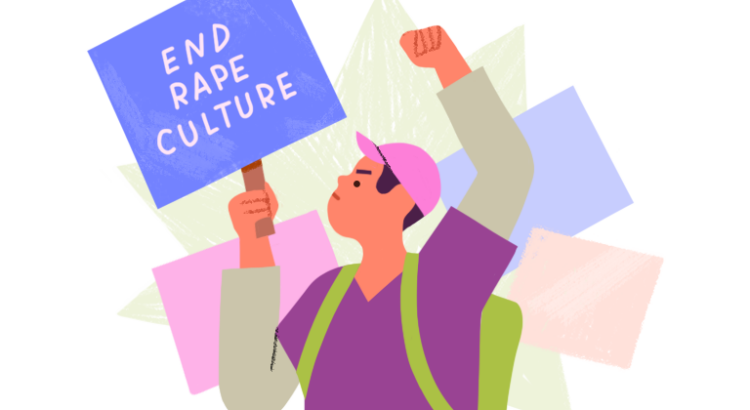
In this week’s FYI we’re focusing on “rape culture”. Through media (especially with the coverage of the Epstein files) you might have heard the term “rape culture”, but do we know what it means? Not always. However, I bet you’ve heard “boys will be boys” and the idea that we need to teach girls to avoid getting assaulted – “don’t wear a skirt too short”, “did she think about what this could do to him before she blamed him” and “watch where you park your car at night or where you walk at night”. Let’s know what the term is and then go a step further and learn tools on how to change it.
Information for this article can be found at: https://www.fairfaxcounty.gov/familyservices/community-corner/2025-09-rape-culture
What is Rape Culture?
You’ve probably heard the term “rape culture” before—but what is it, exactly? We define it as an environment where sexual violence is normalized, ignored, trivialized, or excused due to societal attitudes about gender, power, and sexuality. It describes a culture in which harmful beliefs, behaviors, and systemic inequalities contribute to the prevalence of sexual violence and make it easier for those acts to happen while minimizing accountability for people who inflict sexual violence on others and silencing or blaming survivors.
Major Aspects of Rape Culture
Rape culture is built on a foundation of sexism, racism and colonialism, and homophobia, which are the building blocks to normalizing sexual assault. This includes:
Rape culture is built on a foundation of sexism, racism and colonialism, and homophobia, which are the building blocks to normalizing sexual assault. This includes:
- Victim Blaming. Survivors of sexual violence are often questioned or blamed for their own assault, with people implying their clothing, behavior, or decisions (e.g., drinking, walking alone, etc.) made them responsible for being assaulted.
- Normalization of Sexual Violence. Jokes, media portrayals, and casual attitudes trivialize the severity of sexual assault, supporting the idea that such behavior is not a serious issue. The over-sexualization and degradation of women in media, advertising, and culture can contribute to their dehumanization, leading to power dynamics that enable sexual violence.
- Pressure to Stay Silent. Survivors of sexual violence may face stigma, disbelief, or social consequences, which discourages them from coming forward and seeking justice. They might also be pressured to “forgive” the person who assaulted them or not “ruin their lives” by reporting the crime.
- Misguided Gender Stereotypes and Systems of Oppression. Narrow and harmful views about gender roles– the belief that men are always sexually aggressive (“boys will be boys”) or that women are responsible for managing men’s desires–reinforce inequalities and perpetuate violence. We must consider that black women and other people of color and members of other marginalized communities experience sexual trauma in unique ways due to larger systems of racism and discrimination. Example – why the rates of sexual violence are higher for Native women than any other group of women in the United States. Not everyone’s experience is the same.
- Lack of Accountability. Perpetrators of sexual violence often receive lenient consequences due to societal biases, victim blaming, or legal and institutional failures to address the issue effectively.
Resisting Rape Culture
By standing up and speaking out when we see or hear problematic behavior, we can change rape culture into a culture of consent. It’s important that we continue to have these conversations [regardless of how hard they are] to rewrite the script and make consent culture the default. Ways to do that:
By standing up and speaking out when we see or hear problematic behavior, we can change rape culture into a culture of consent. It’s important that we continue to have these conversations [regardless of how hard they are] to rewrite the script and make consent culture the default. Ways to do that:
-
Talk and educate yourself and your kids about healthy relationships and what consent means.
- Challenging victim blaming and calling out inappropriate jokes or comments – when you hear someone blame a victims or tell a joke that feels wrong to you say something.
-
Advocating for survivor – let’s not blame… let’s support.
-
Let’s stop excusing behavior with the idea that “boys will be boys” and stop making girls feel like it’s their responsibility to avoid rape and start talking to young men about consent and boundaries.
If you have questions about sexual assault, please reach out to Haven and chat with an advocate.
Haven Office Hours: 8:30 am – 4:30 pm Monday – Friday
HAVEN Does NOT provide 24- hour service. After hours please call:
StrongHearts Native Helpline https://strongheartshelpline 1-844-762-8483 (call or text) or Community Crisis Center, Miami, OK 1-800-400-0883
StrongHearts and Community Crisis Center have 24 hour service
Please call the HAVEN office during business hours for more information.
918-554-2836 or Text Line: 918.533.3070
Program Website: https://havenprogram.com/
Program Email: havenprogram@estoo.net Facebook: HAVEN Tribal Program, Twitter: @ProgramHaven, Instagram: HAVENTRIBALProgram.