H.A.V.E.N. Update
By Cathleen Osborne-Gowey (Program Admin – Crime Victim Advocate) 918.554.2836 or COsbornegowey@estoo.net
Upcoming Events:
Support Group: Please call our office for details.
Program Update:
Hello all –
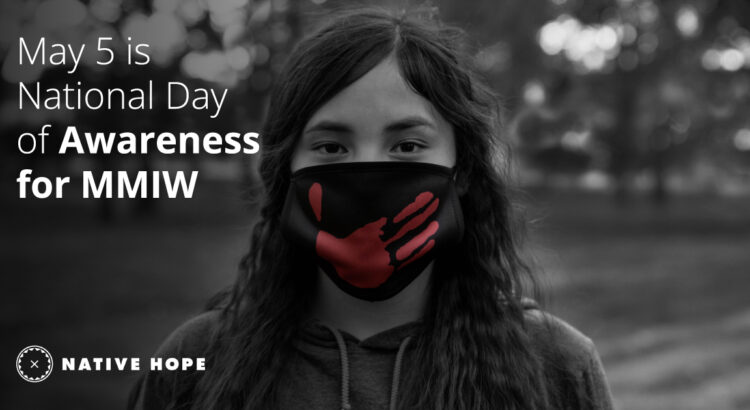
May is MMIW (Missing and Murdered Indigenous Women’s) Month. This MMIW month we’re focusing on the link between Missing and Murdered Indigenous Women and human trafficking, signs of human trafficking, and what to do if you suspect if someone is being trafficked.
Information for this article is available at https://www.obndd.ok.gov/programs-services/human-trafficking
MMIP in Oklahoma
“Oklahoma is consistently among the top two states for the highest number of Missing and Murdered Indigenous People”.
“While affecting both men and women, Native American women are disproportionately affected, with a mean victim age of approximately 29 years old”.
There is a direct link between Missing and Murdered Indigenous Women (MMIW) and human trafficking, with traffickers specifically focusing on exploiting Native women. “In the U.S., Native American women face a murder rate 10 times higher than the national average, often linked to a “thriving” sex trafficking industry” (Thomson Reuters AI)
Human Trafficking and MMIP
If we know that Missing and Murdered Indigenous Women and human trafficking are linked and that Oklahoma is consistently among the top two states for the highest numbers of MMIP, then we know human trafficking is a large issue in our state and in our communities.
What is Human Trafficking?
Human trafficking is the exploitation of vulnerable people (through force, fraud, or coercion) for forced labor, domestic servitude, or commercial sex operations. Any person under the age of 18 who is engaged in commercial sex acts, regardless of the use of force, fraud, or coercion, is a victim of human trafficking – even if they appear to consent to commercial sex acts.
There is no one profile of a trafficking victim – victims of human trafficking can be anyone. There is also no one profile of a perpetrator. Traffickers can be family members, partners, acquaintances, and even strangers. Traffickers can be pimps, gang members, business owners, labor brokers, and company owners (including owners of farms and factories).
Signs of Human Trafficking
Recognizing key indicators of human trafficking is the first step in identifying victims and can help save a life. Here are some common indicators to help recognize human trafficking.
Lack of Official Identification
They are not in possession of their identification or legal documents.
Signs of Physical Abuse
The person may have bruises in various stages of healing. Victims of human trafficking are often beaten in areas that will not damage their appearance.
Controlled by Another Person
The victim is often accompanied by a controlling person. They lack personal possessions and often does not have a stable living situation.
Signs of Dependence
They do not speak or act on their own behalf, but instead defer someone who seems to be in control of the situation and the person’s response or actions.
Controlled Movement
They are transported to or from work, or live and work at the same place. There are unreasonable security measures that limit movement.
Substance Abuse
Often, victims may show signs of drug use or addiction. They can be forced into using drugs so the victim becomes numb to enslavement.
Fearful, Depressed, and Submissive Behavior
Person may appear disconnected from family, friends, and houses of worship. They are not free to leave or come and go at will.
Who should I call if I suspect someone is the victim of human trafficking?
- If you think someone’s life or safety is in immediate danger, call 911.
- If you suspect someone is the victim of human trafficking, then please contact the OBN (Oklahoma Bureau of narcotics) Human Trafficking Hotline at (855) 617-2288.
- Report online via the following link: Report Suspected Human Trafficking.
- Call our office to work through next steps with one of our advocates.
Remember, you are NOT ALONE! For more information on the services we can provide please reach out to Haven to speak with an advocate.
Haven Office Hours: 8:30 am – 4:30 pm Monday – Friday
HAVEN Does NOT provide 24- hour service. After hours please call:
StrongHearts Native Helpline https://strongheartshelpline 1-844-762-8483 (call or text) or Community Crisis Center, Miami, OK 1-800-400-0883
StrongHearts and Community Crisis Center have 24 hour service
Please call the HAVEN office during business hours for more information.
918-554-2836 or Text Line: 918.533.3070
Program Website: https://havenprogram.com/
Program Email: havenprogram@estoo.net Facebook: HAVEN Tribal Program, Twitter: @ProgramHaven, Instagram: HAVENTRIBALProgram.
Program Website: https://havenprogram.com/
Program Email: havenprogram@estoo.net
Facebook: HAVEN Tribal Program, Twitter: @ProgramHaven, Instagram: HAVENTRIBALProgram.